Recovering from surgery is a critical time that requires careful management to ensure a smooth and successful healing process. While hospitals provide excellent care during the surgery and immediate postoperative period, the transition to home care can be challenging. Personalized in-home care plays a vital role in bridging this gap, offering tailored support and services that cater to the specific needs of each patient. Angel Connection Nursing Services (ACNS) has been at the forefront of providing such personalized in-home care, helping patients recover comfortably and safely in their own homes.
The Challenges of Post-Surgery Recovery
Post-surgery recovery involves more than just physical healing. Patients often face a range of challenges, including pain management, mobility issues, medication adherence, and emotional stress. Without proper support, these challenges can lead to complications, delayed recovery, or even readmission to the hospital.
Pain Management
Pain is a common issue after surgery, and managing it effectively is crucial for recovery. Inadequate pain management can hinder mobility, disrupt sleep, and negatively impact the patient’s overall well-being. Personalized in-home care ensures that pain management strategies are tailored to the individual’s needs, helping them manage pain effectively and improve their quality of life during recovery.
Mobility and Physical Therapy
Regaining mobility is another critical aspect of post-surgery recovery. Depending on the type of surgery, patients may need assistance with basic movements, physical therapy exercises, or the use of mobility aids. Personalized care provides the necessary support and encouragement to help patients regain their strength and independence.
Medication Management
Adhering to a prescribed medication regimen is essential for preventing complications and promoting healing. However, managing multiple medications can be confusing, especially for elderly patients or those with cognitive impairments. Personalized in-home care includes medication management services, ensuring that patients take their medications correctly and on schedule.
Emotional and Psychological Support
The emotional and psychological impact of surgery should not be underestimated. Patients may experience anxiety, depression, or fear related to their recovery. Personalized in-home care offers emotional support, providing a comforting presence and helping patients cope with the psychological challenges of recovery.
The Role of Personalized In-Home Care
Personalized in-home care addresses the unique needs of each patient, offering a comprehensive approach to post-surgery recovery. Angel Connection Nursing Services excels in providing this level of care, ensuring that patients receive individualized attention and support.
Comprehensive Assessment and Care Planning
The first step in personalized in-home care is a thorough assessment of the patient’s needs. ACNS conducts detailed evaluations to understand the patient’s medical condition, recovery goals, and personal preferences. This assessment forms the basis of a customized care plan tailored to the patient’s specific requirements.
The care plan includes various elements such as pain management strategies, physical therapy exercises, medication schedules, and any other support services needed. By creating a personalized care plan, ACNS ensures that all aspects of the patient’s recovery are addressed in a coordinated and effective manner.
Skilled Nursing and Caregiving Services
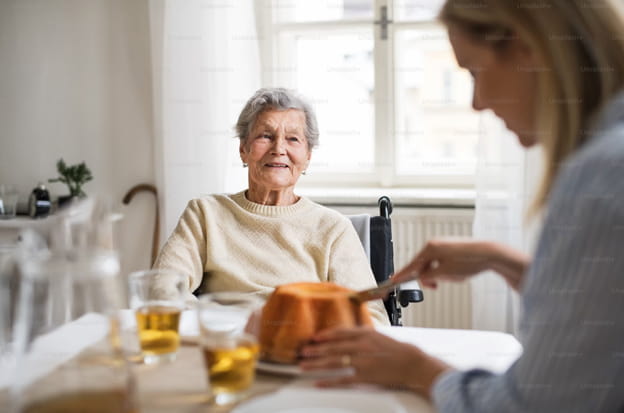
ACNS provides skilled nursing and caregiving services to support patients during their recovery. Their team of experienced nurses and caregivers are trained in post-surgery care and can handle a wide range of medical and non-medical tasks. From wound care and dressing changes to assistance with daily activities like bathing and dressing, ACNS caregivers offer comprehensive support to help patients recover safely at home.
Coordination with Healthcare Providers
Effective post-surgery recovery often involves coordination with various healthcare providers. ACNS works closely with the patient’s doctors, surgeons, and physical therapists to ensure continuity of care. They communicate regularly with the healthcare team, providing updates on the patient’s progress and addressing any concerns that may arise.
This collaboration helps ensure that the patient receives consistent and comprehensive care, reducing the risk of complications and promoting a smoother recovery process.
Emotional and Psychological Support
Understanding the emotional toll of surgery, ACNS provides compassionate support to help patients cope with their feelings. Caregivers are trained to offer emotional support, listening to the patient’s concerns and providing reassurance. For patients who require additional support, ACNS can connect them with counseling services or support groups.
Encouraging Independence
While personalized in-home care provides essential support, it also encourages patients to regain their independence. Caregivers work with patients to set achievable goals and support them in performing daily activities as independently as possible. This approach not only promotes physical recovery but also boosts the patient’s confidence and self-esteem.
Success Stories: The Impact of Personalized In-Home Care
The benefits of personalized in-home care are best illustrated through the success stories of patients who have experienced its positive impact. Here are a few examples of how ACNS has helped patients recover successfully at home:
Jane’s Story: A Smooth Recovery After Knee Replacement Surgery
Jane, a 65-year-old retired teacher, underwent knee replacement surgery and was concerned about her ability to manage her recovery at home. ACNS provided a personalized care plan that included pain management, physical therapy exercises, and assistance with daily activities. Jane’s caregiver, Lisa, visited her daily, helping her with exercises and ensuring she took her medications on time. With Lisa’s support, Jane’s recovery was smooth, and she regained her mobility faster than expected.
Mark’s Story: Overcoming Challenges After Heart Surgery
Mark, a 58-year-old engineer, had heart surgery and needed comprehensive care to manage his recovery. ACNS provided a skilled nurse, David, who monitored Mark’s vital signs, managed his medications, and coordinated with his cardiologist. David also provided emotional support, helping Mark cope with anxiety and fear. Thanks to personalized in-home care, Mark was able to recover comfortably at home, avoiding any complications.
Susan’s Story: Supporting Recovery After a Complicated Surgery
Susan, a 72-year-old grandmother, underwent a complicated abdominal surgery. Her daughter, worried about managing her care, turned to ACNS for help. ACNS created a personalized care plan that included wound care, pain management, and emotional support. Susan’s caregiver, Maria, provided round-the-clock care, ensuring Susan’s needs were met. Susan’s recovery was successful, and she was able to enjoy time with her family during her healing process.
Personalized in-home care plays a crucial role in ensuring a smooth and successful post-surgery recovery. By addressing the unique needs of each patient, offering comprehensive support, and encouraging independence, personalized care helps patients heal comfortably and safely at home. Angel Connection Nursing Services exemplifies this approach, providing high-quality, compassionate care that makes a significant difference in the lives of patients and their families.
For anyone facing surgery, knowing that personalized in-home care is available can provide immense peace of mind. With the right support, recovery can be a positive and empowering experience, leading to better health outcomes and a higher quality of life. Angel Connection Nursing Services continues to lead the way in personalized in-home care, helping patients navigate their recovery journey with confidence and comfort.
Did you find this helpful? Check out our other helpful articles on our website.
Read Also
- Full-Arch Dental Tourism: Why UK Patients With Severe Bone Loss Are Looking Abroad
 Dental implants have become one of the fastest-growing segments of private dentistry. Within that market, one patient group behaves very differently from the rest: people who have been told they do not have enough upper jawbone for conventional implants. For these patients, the choice is rarely between one clinic and another. It is between a… Read more: Full-Arch Dental Tourism: Why UK Patients With Severe Bone Loss Are Looking Abroad
 - Levels of Mental Health Care and When to Seek SupportMental health care can range from occasional outpatient appointments to 24-hour hospital treatment. The appropriate level depends on safety, symptom severity, daily functioning, medical needs, available support, treatment history and personal preferences. A licensed clinician should assess these factors rather than relying on a symptom list alone. Need help now? In the United States, call… Read more: Levels of Mental Health Care and When to Seek Support
- How to Choose a Shilajit Brand Based on the ResearchIn a randomized trial published in the Journal of the International Society of Sports Nutrition in 2019, 63 active men took 250 mg of standardized shilajit, 500 mg, or a placebo every day for eight weeks, and the benefit for strength retention after a fatiguing workout appeared only at 500 mg. For anyone choosing a… Read more: How to Choose a Shilajit Brand Based on the Research
- How to Incorporate Relaxation into Your Busy ScheduleFinding balance when you have a packed daily agenda often feels out of reach. Between work duties, family obligations, and personal projects, personal rest usually gets pushed to the bottom of the list. Small, intentional shifts in daily habits can help restore calm without requiring hours of extra free time. Continue reading to discover everything… Read more: How to Incorporate Relaxation into Your Busy Schedule
- Red Light Therapy for Skin and Wellness: Meet Vital Red Light TherapyModern wellness is not always about complicated treatments or long routines. Many people are now looking for simple, convenient ways to support their skin, recovery, and overall wellness at home. One technology getting more attention is red light therapy. Red light therapy uses specific wavelengths of red and near-infrared light to support the body’s natural… Read more: Red Light Therapy for Skin and Wellness: Meet Vital Red Light Therapy
- Managing Shock Loss After a Hair Transplant: The Financial and Clinical Imperative of Post-Op CareIn the rapidly evolving landscape of private healthcare, executive leadership within cosmetic and restorative surgery clinics faces a dual challenge: maintaining strict clinical standards while maximizing patient lifetime value (LTV) and brand advocacy. As the global medical tourism and elective procedure markets expand, clinical outcome quality alone is no longer the sole differentiator for premium… Read more: Managing Shock Loss After a Hair Transplant: The Financial and Clinical Imperative of Post-Op Care
- Transform Your Skin Health: Premier Gluta IV Therapy in DubaiThis comprehensive guide explores how modern intravenous wellness treatments can help revitalize your complexion, boost immune function, and support overall cellular health. By incorporating modern IV therapy Dubai services into a routine health regimen, individuals can achieve direct nutrient absorption for optimal results. Selecting a customized gluta IV drip Dubai treatment provides targeted antioxidant defense,… Read more: Transform Your Skin Health: Premier Gluta IV Therapy in Dubai
- The Evolution of Dental Prosthetics: Innovation in Oral HealthDental replacements have improved a lot over time. Smiling, chewing, and speaking depend on having healthy teeth. When teeth break or go missing, today’s options can restore both function and confidence. Modern techniques make these replacements feel and look completely natural. Ancient Roots Of Tooth Replacement People have tried to replace lost teeth for thousands… Read more: The Evolution of Dental Prosthetics: Innovation in Oral Health